
Yellow Beeswax: A Natural Wonder in Cosmetics
What is Yellow Beeswax?
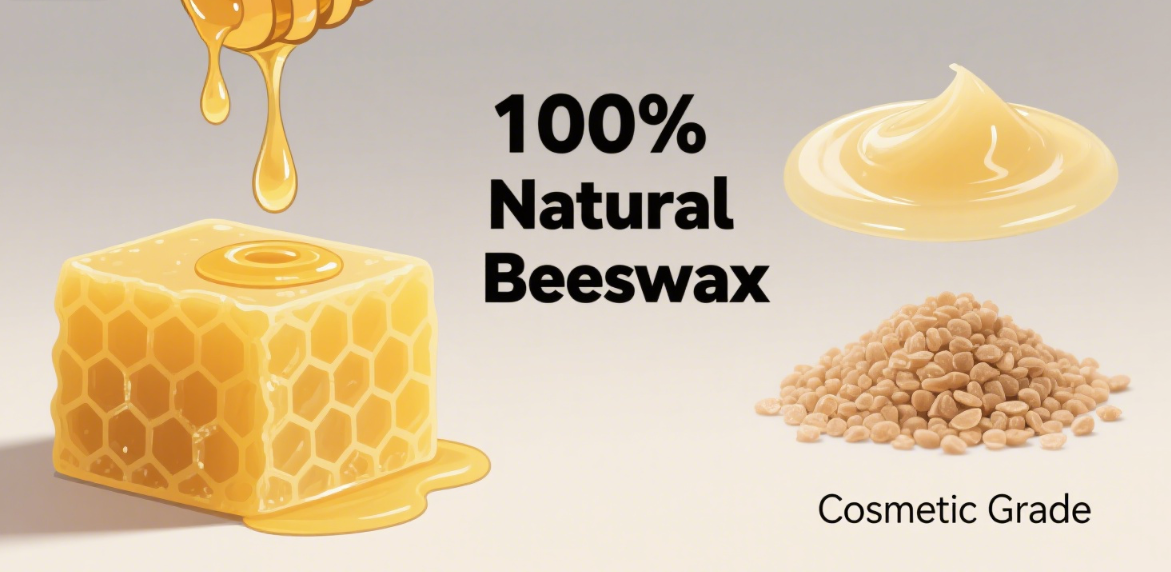
| Yellow beeswax is a natural wax secreted by honeybees (Apis mellifera) as they build their honeycombs. It is a complex mixture of over 300 different compounds, including fatty acid esters, fatty alcohols, and free fatty acids. The yellow color of the wax is due to the presence of carotenoid pigments, which the bees obtain from the pollen they collect. These pigments not only give the wax its characteristic hue but also contribute to its antioxidant properties. Beeswax has been used by humans for thousands of years. Historical records show that as early as 2000 BCE, the ancient Egyptians used beeswax in cosmetics, medicine, and as a waterproofing agent. In ancient Greece and Rome, it was used for making candles, as well as in ointments and balms for its healing properties. | 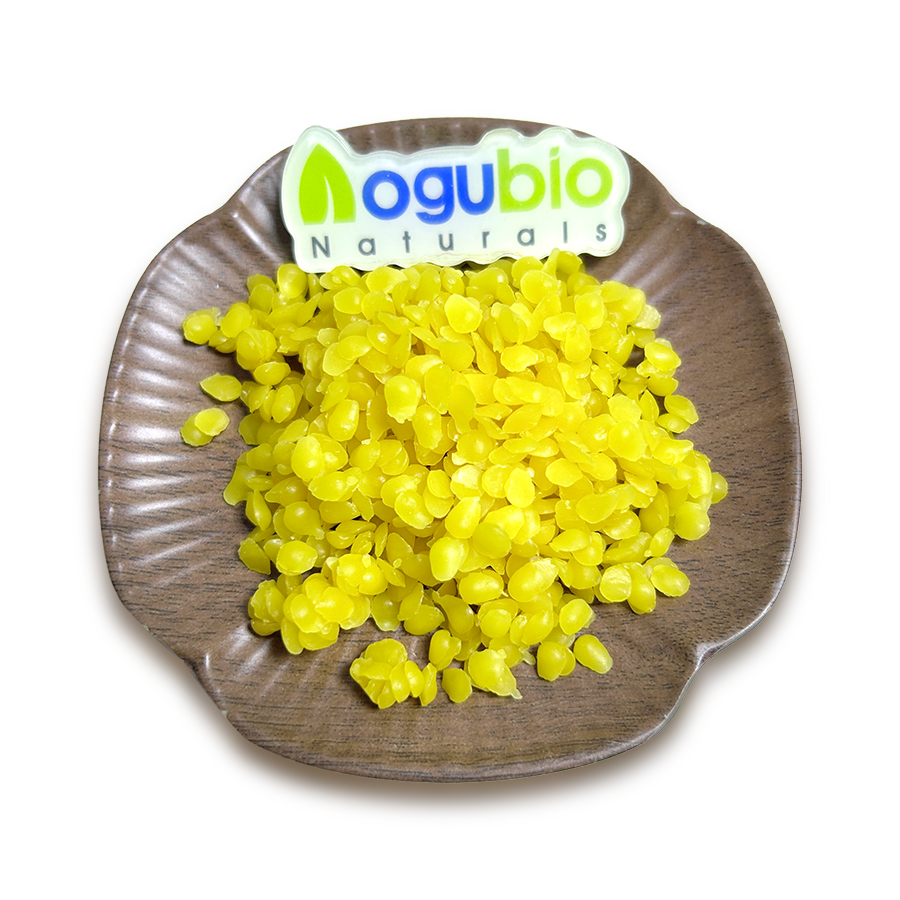 |
Physical and Chemical Properties
Yellow beeswax has a melting point range of 62 - 65 °C (143.6 - 149 °F). This relatively high melting point makes it useful in products that need to maintain their shape and structure at normal body temperature. It is insoluble in water but is soluble in organic solvents such as ether, chloroform, and hot Ethanol. When heated, beeswax becomes soft and pliable, allowing it to be easily molded and incorporated into various formulations.
One of the unique properties of beeswax is its ability to form stable gel networks with oils. This property is exploited in cosmetics to thicken and structure products, giving them a desirable texture. The gel viscosity and hardness are proportional to the percentage of beeswax present, and the stability of the gel also depends on the compatibility between the oil and the wax.
Benefits of Yellow Beeswax in Cosmetics
- Moisturizing and Skin Protecting
Beeswax is an excellent emollient, meaning it can soften and soothe the skin. When applied to the skin, it forms a thin, breathable film that helps to lock in moisture, preventing transepidermal water loss. This is particularly beneficial for dry and Sensitive Skin types, as it helps to keep the skin hydrated and supple. A study published in the Journal of Cosmetic Dermatology found that products containing beeswax were effective in improving skin hydration and reducing dryness in subjects with mild to moderate skin dryness.
- Emulsifying and Thickening Agent
In cosmetic formulations, beeswax is often used as an emulsifying agent. Emulsions are mixtures of two immiscible liquids, such as oil and water, and emulsifying agents help to stabilize these mixtures. Beeswax helps to create a stable emulsion by reducing the surface tension between the oil and water phases, allowing them to mix evenly.
It also serves as a thickening agent. In products like creams, lotions, and lip balms, beeswax can adjust the consistency of the product, making it thicker and more spreadable. For instance, in a lipstick formulation, beeswax helps to give the product its firm texture, while still allowing it to glide smoothly on the lips.
Common Questions about Yellow Beeswax in Cosmetics
- Is Yellow Beeswax Safe for Sensitive Skin?
Yes, yellow beeswax is generally considered safe for sensitive skin. Its natural origin and hypoallergenic properties make it suitable for use in products designed for sensitive skin types. However, as with any ingredient, there is a small chance of an allergic reaction in some individuals. It is always recommended to perform a patch test before using a new product containing beeswax, especially if you have a known sensitivity to bee products.
- How Does Yellow Beeswax Compare to Synthetic Waxes?
Synthetic waxes are often cheaper to produce and can be engineered to have specific properties. However, they lack the natural benefits that yellow beeswax offers. Yellow beeswax is a renewable resource, and its production has a lower environmental impact compared to many synthetic waxes. In terms of performance, beeswax provides unique moisturizing, antioxidant, and emulsifying properties that are difficult to replicate with synthetic alternatives. Additionally, consumers are increasingly demanding natural ingredients in their cosmetics, making yellow beeswax a more appealing choice for both ethical and aesthetic reasons.
- Can Yellow Beeswax Be Used in Organic Cosmetics?
Yes, yellow beeswax can be used in organic cosmetics. To be considered organic, the beeswax must come from bees that have foraged in areas free from pesticides and other synthetic chemicals. Organic beeswax is typically processed with minimal intervention to meet organic certification standards, such as those set by the USDA (United States Department of Agriculture) or the EU Organic regulations. Many cosmetic brands that focus on natural and organic products use organic yellow beeswax in their formulations to maintain the integrity of their product claims.
Applications of Yellow Beeswax in Cosmetics
Skincare Products
- Moisturizers: In creams and lotions, yellow beeswax helps to thicken the product and improve its texture. It also enhances the moisturizing effect by forming a protective barrier on the skin. For example, a study on the formulation of a natural moisturizer found that the addition of beeswax improved the product's stability and moisturizing performance.
- Face Masks: Beeswax can be included in face masks to help the mask adhere to the skin and provide a soothing and hydrating effect. It can also help to improve the texture of the mask, making it easier to apply and remove.
- Eye Creams: Due to its emollient and skin - protecting properties, beeswax is used in eye creams to help reduce the appearance of fine lines and wrinkles around the delicate eye area. It also helps to keep the skin around the eyes hydrated, preventing dryness and puffiness.
Haircare Products
- Hair Pomades and Waxes: Yellow beeswax is a common ingredient in hair pomades and waxes. It provides hold and texture to the hair, allowing for easy styling. It also helps to condition the hair, making it look shinier and healthier. A study on the formulation of a natural hair pomade found that beeswax was an effective ingredient for providing hold without making the hair feel greasy.
- Conditioners: In hair conditioners, beeswax can help to smooth the hair cuticle, reducing frizz and making the hair more manageable. It also provides a protective layer on the hair, helping to prevent damage from environmental factors.
Color Cosmetics
- Lipsticks and Lip Balms: Beeswax is a staple ingredient in lipsticks and lip balms. In lipsticks, it gives the product its shape and helps the color adhere to the lips. In lip balms, it provides a protective and moisturizing barrier, keeping the lips hydrated and preventing chapping. A market research report on lip care products showed that beeswax - based lip balms were among the most popular products in the market due to their effectiveness and natural ingredients.
- Eyeshadows and Blushes: Beeswax can be used in eyeshadows and blushes to help bind the pigments together and improve the texture of the product. It also gives the product a smooth and creamy feel, making it easier to apply and blend.
In conclusion, yellow beeswax is a remarkable ingredient that has been used in cosmetics for centuries. Its unique physical and chemical properties, combined with its numerous benefits for the skin and hair, make it a valuable addition to a wide range of cosmetic products. As the cosmetics industry continues to evolve towards more natural, sustainable, and effective products, yellow beeswax is likely to play an even more prominent role in the future. Whether you are a consumer looking for high - quality, natural cosmetics or a cosmetic formulator seeking innovative ingredients, yellow beeswax is definitely an ingredient worth considering.
- Name:Chloe
- Whatsapp:+86 18161805635
- Email:sales10@aogubio.com