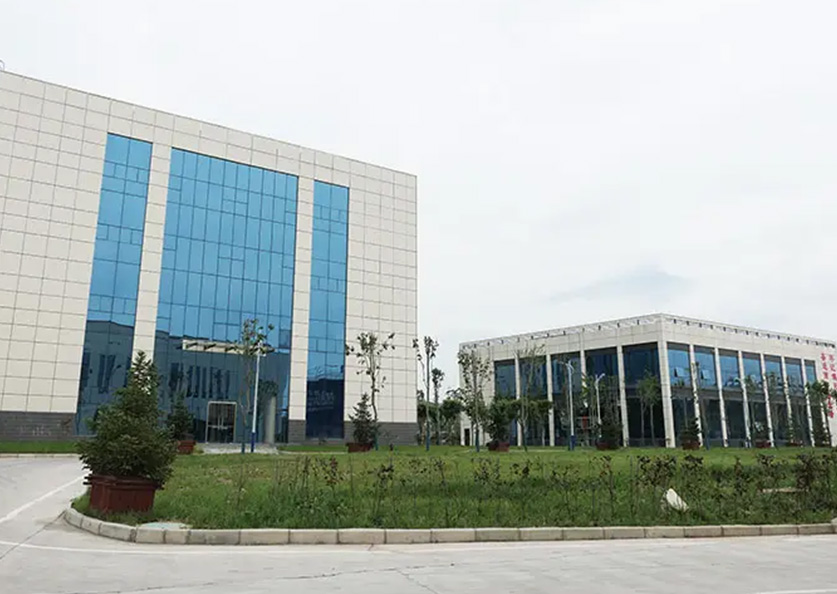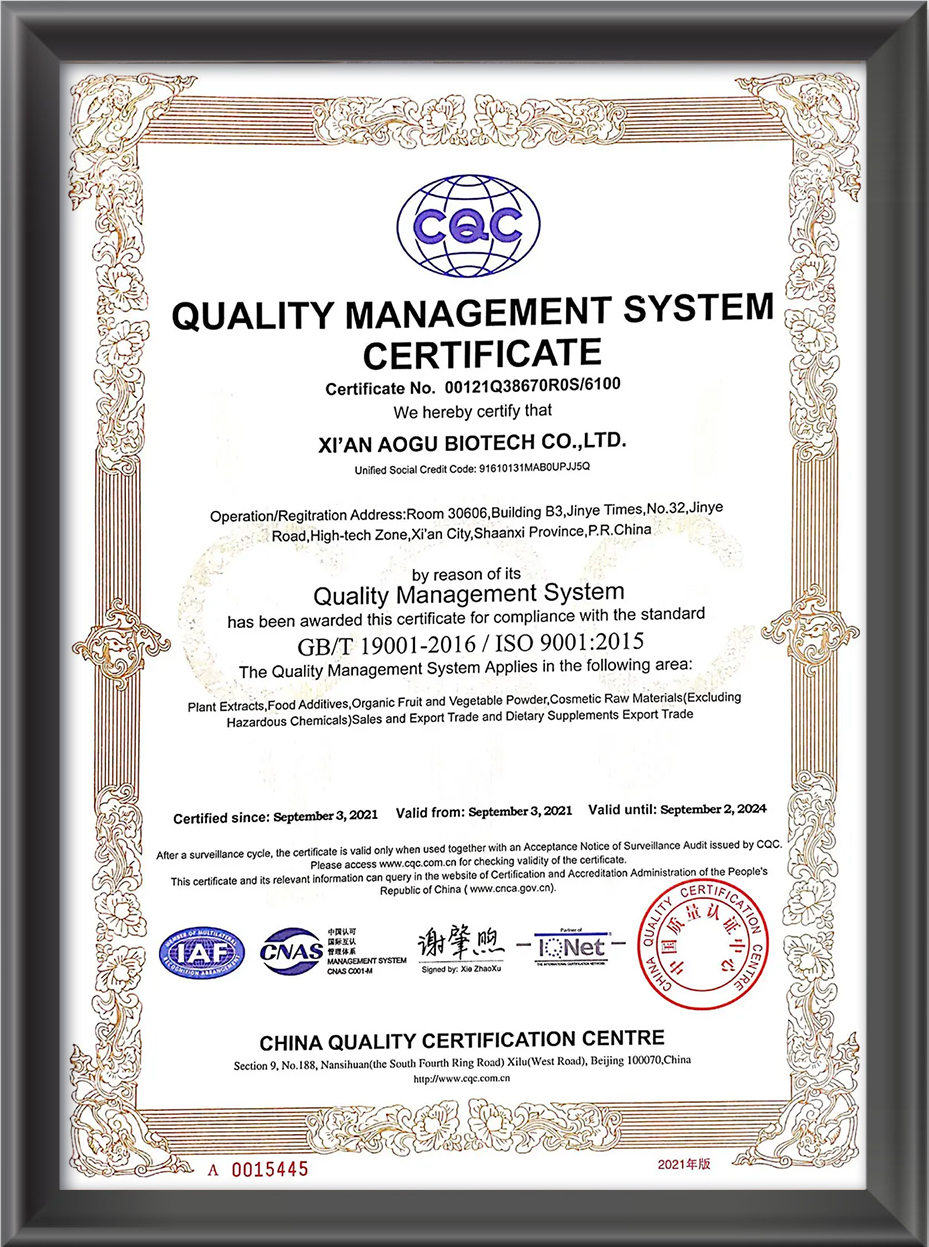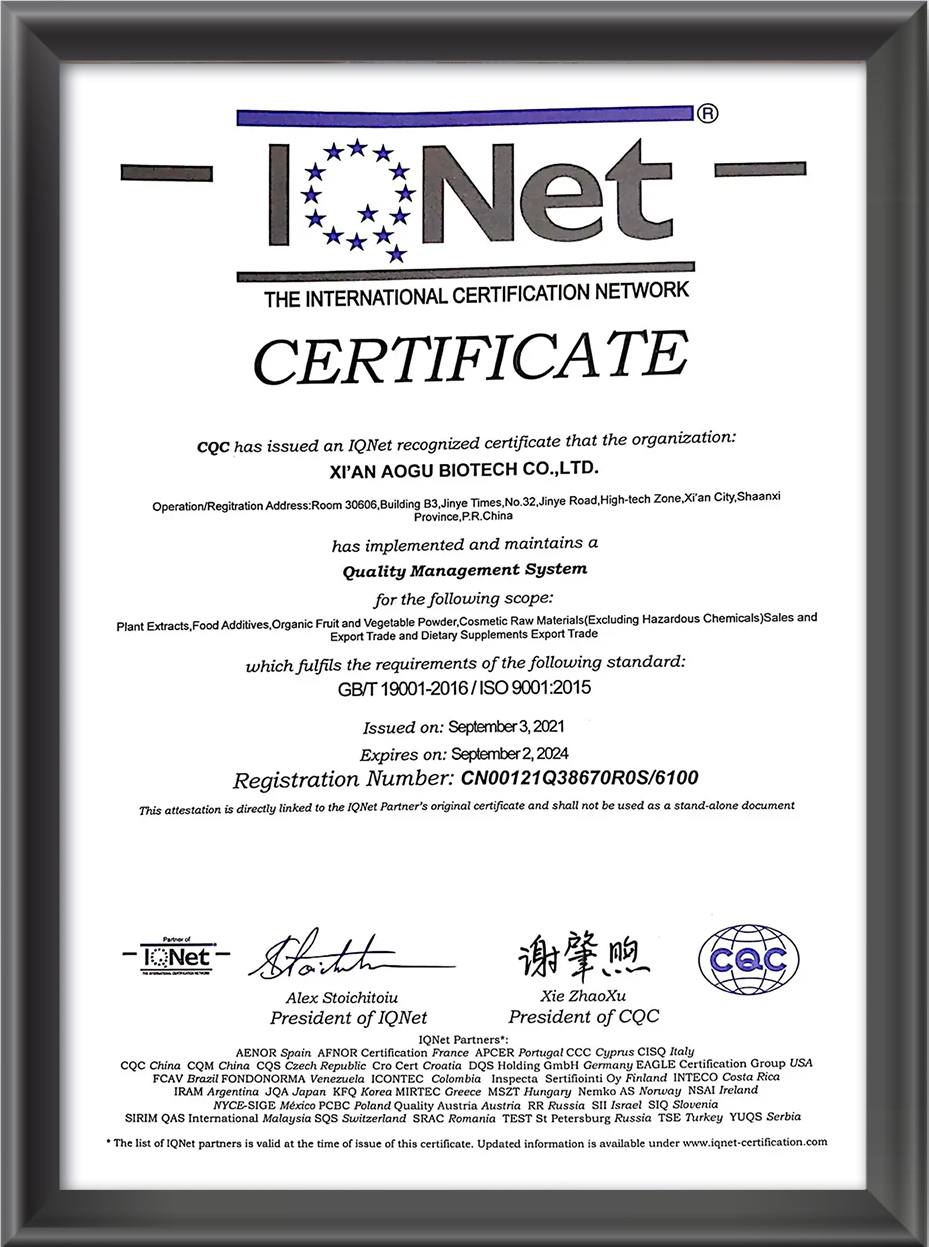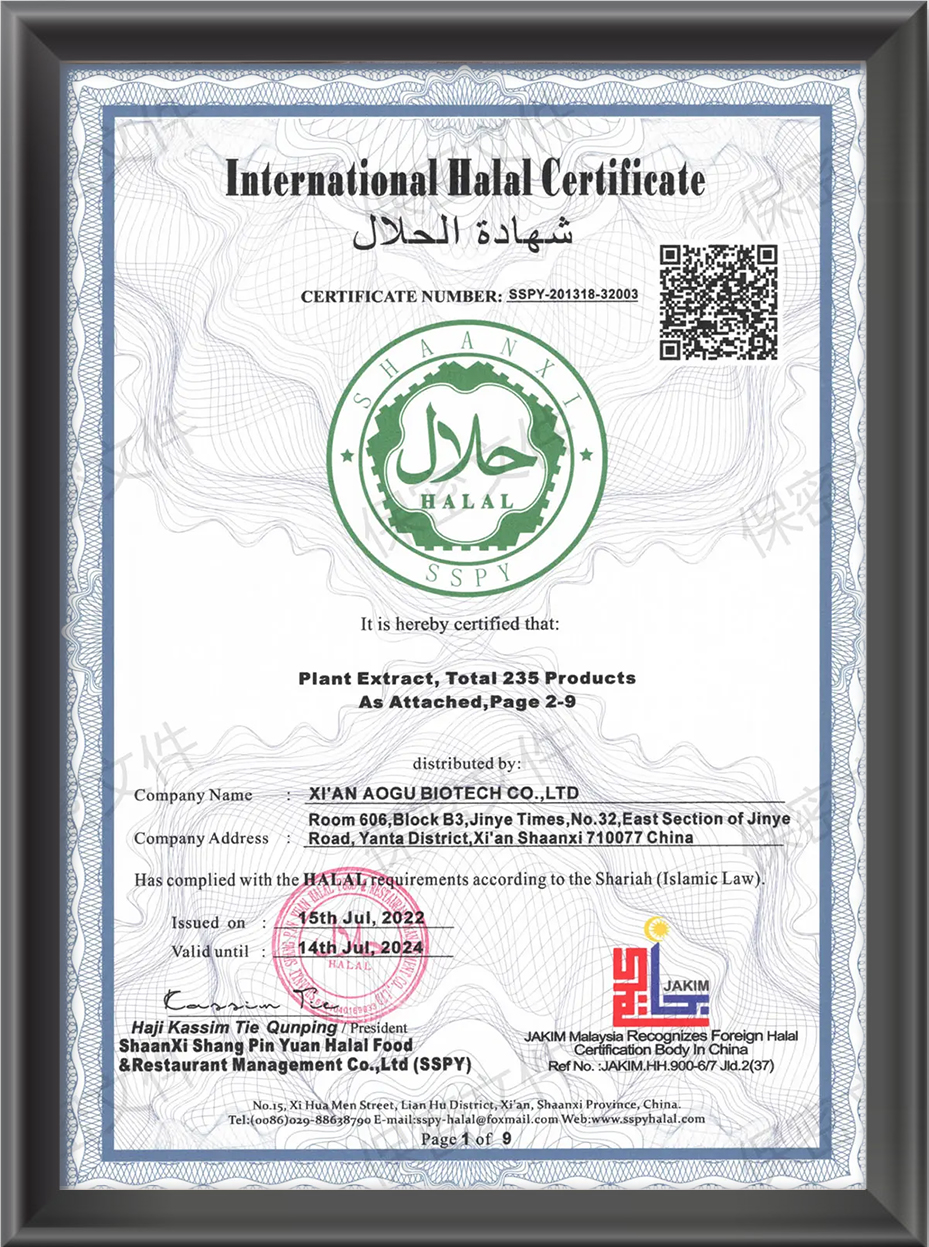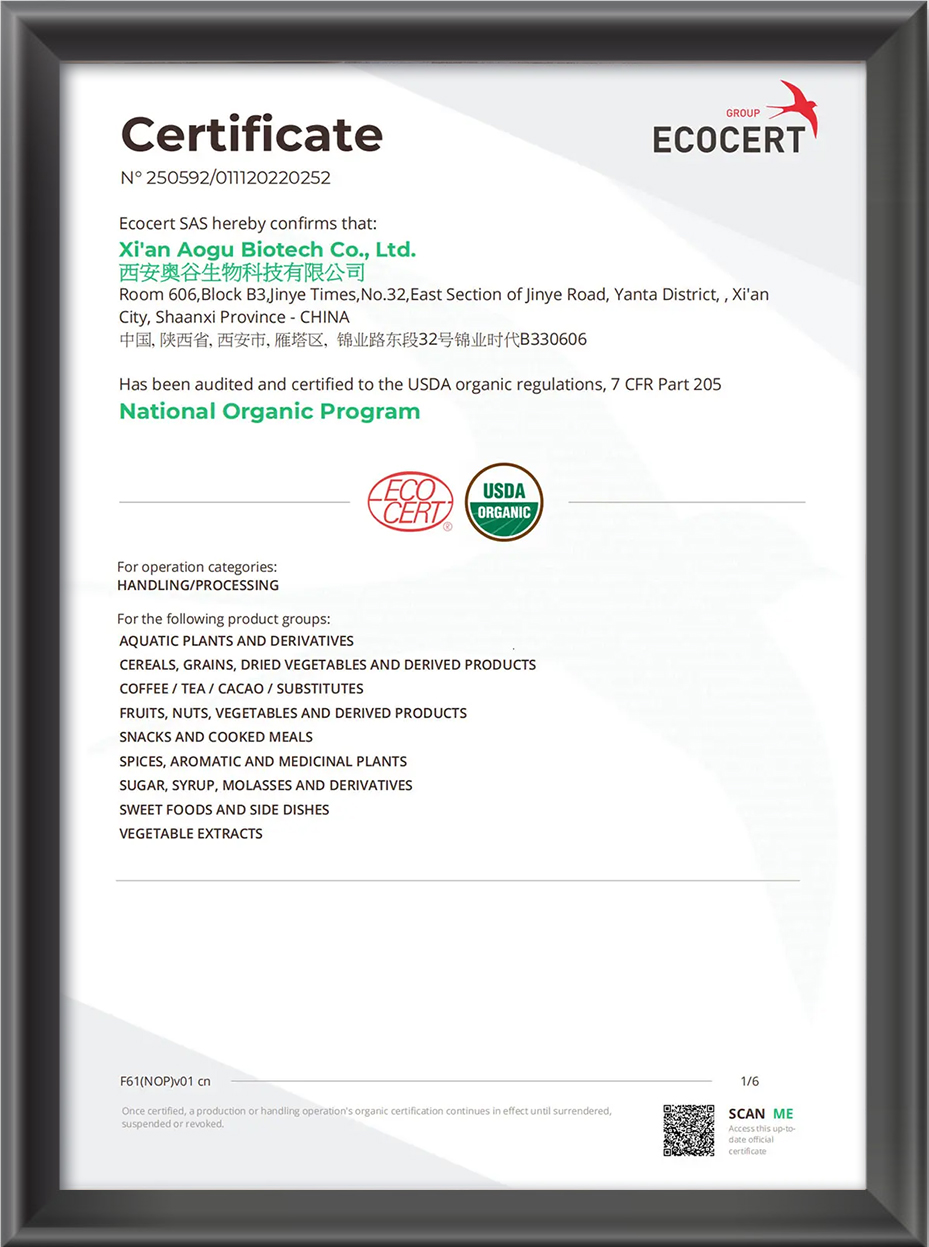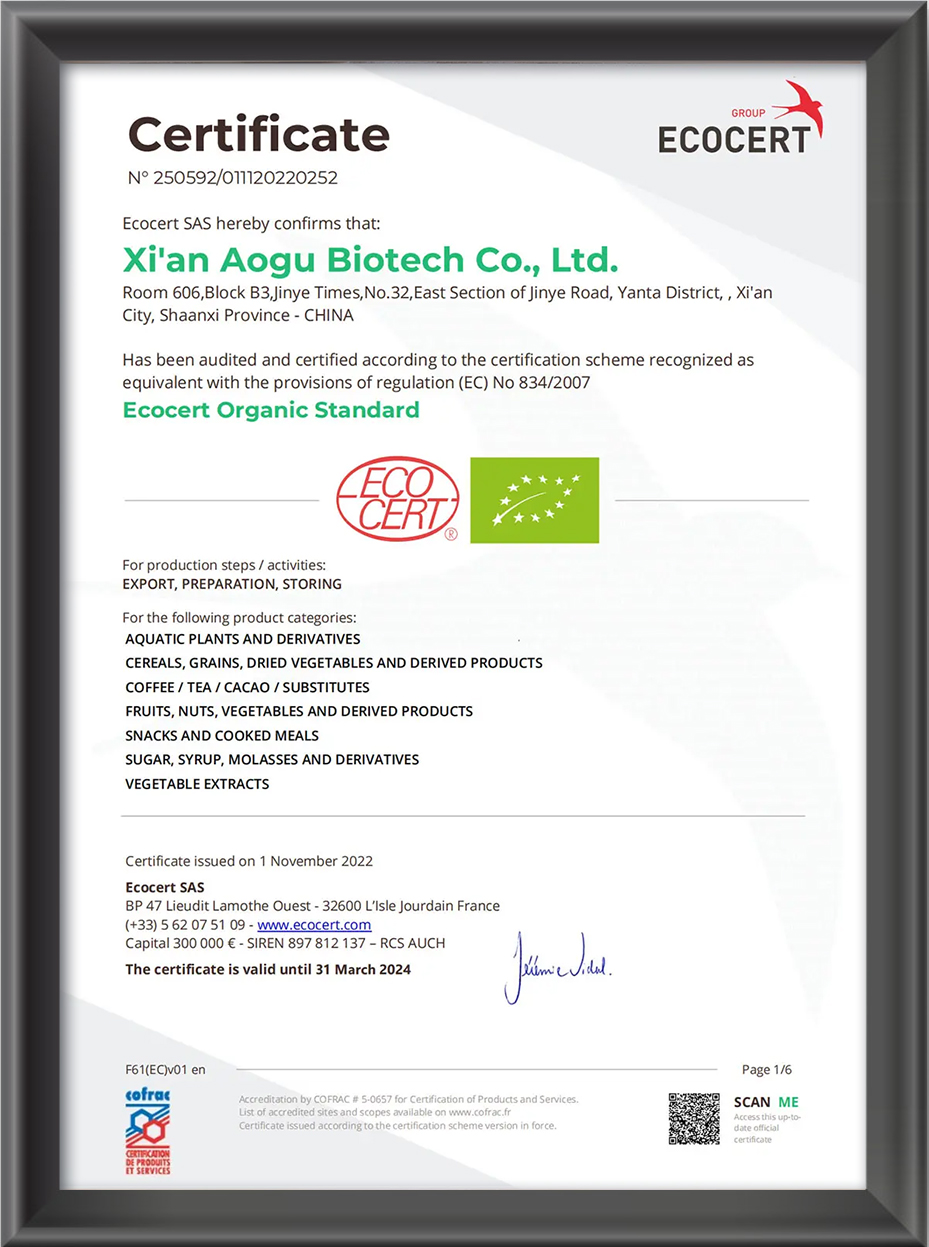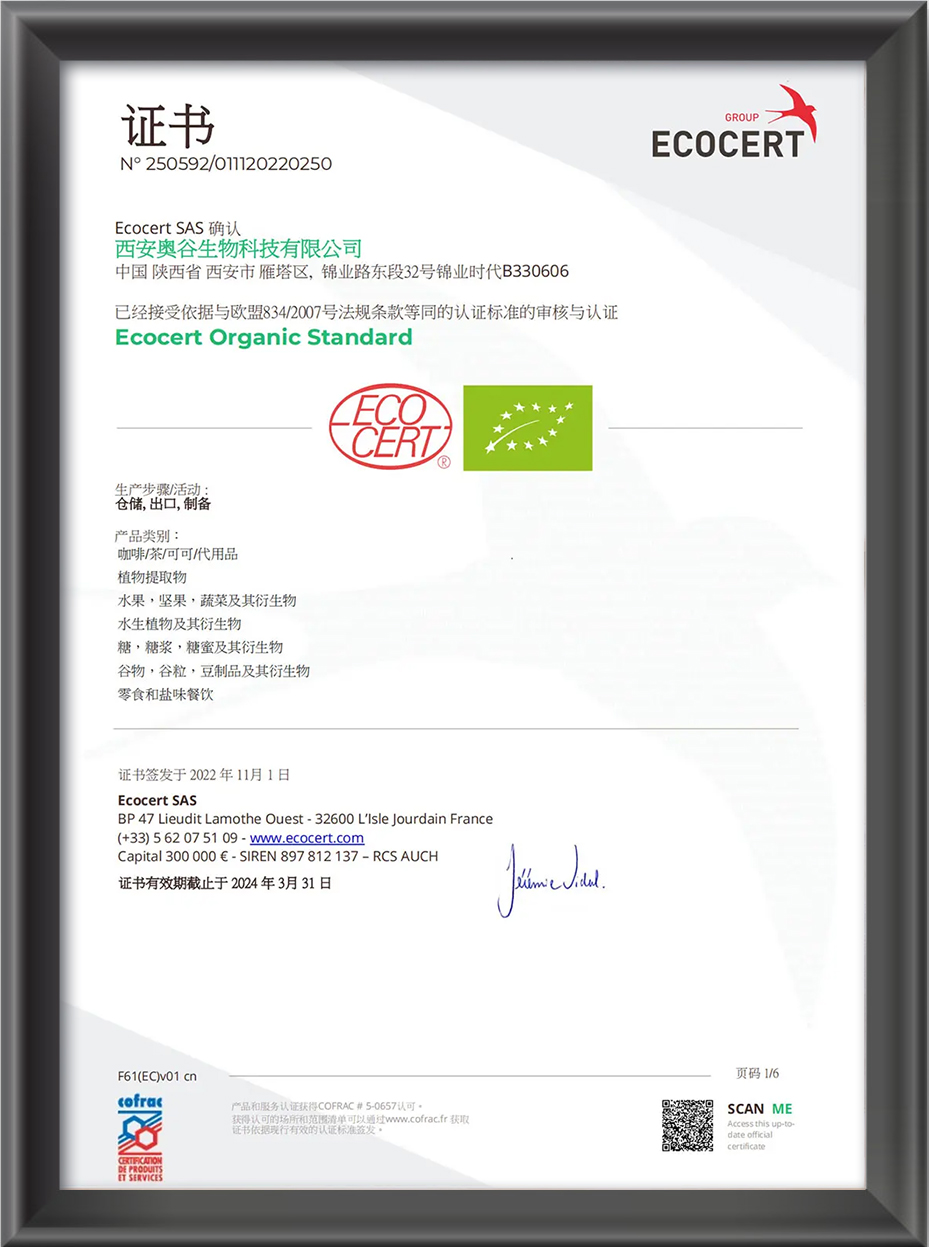
Founded in 2013 and headquartered in the prestigious high-tech zone of Xi'an, Xi'an Aoge Biotech Co., Ltd. and its subsidiaries stand as industry leaders in cosmetic raw materials manufacturing. Their commitment to cutting-edge extraction technologies and expansive production capabilities have fostered a cornerstone in the skincare ingredient ecosystem.
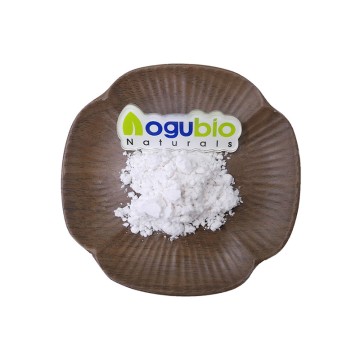
Deoxyarbutin, a breakthrough compound in skin brightening and barrier repair technologies, has become a critical active ingredient in modern formulation lines focused on moisturizing and skin barrier restoration. Its chemical stability and effectiveness surpass conventional arbutin, granting superior efficacy and safety in topical applications.
Commercially, the demand for deoxyarbutin-containing products is growing, as consumers seek active ingredients that not only hydrate but also restore and protect the skin's natural defenses. The evolution of barrier-repair formulations now leverages synergistic combinations involving deoxyarbutin alongside ceramides, niacinamide, and botanical extracts, targeting aging, sensitivity, and pigmentation concerns with unprecedented precision.
From an industrial perspective, manufacturers are increasingly investing in scalable production protocols for deoxyarbutin, driving costs down while maintaining purity levels above 99%. This facilitates broader adoption in premium mass-market and professional skincare lines, spanning moisturizers, serums, and multi-functional creams.

Deoxyarbutin has emerged as a vital ingredient in the ongoing evolution of skincare, particularly within moisturizing and barrier-repair product lines. It is a chemically modified form of arbutin that offers enhanced skin lightening benefits with fewer side effects, making it ideal for sensitive and compromised skin.
Beyond its primary whitening and brightening properties, deoxyarbutin exhibits antioxidative effects that help protect the skin barrier from environmental stressors like UV radiation and pollution. These protective benefits are crucial as oxidative stress is a primary driver of skin barrier dysfunction and premature aging.
Industrial trends show rising interest in hybrid formulations where deoxyarbutin is combined with moisturizers such as hyaluronic acid, squalane, and natural plant lipids. These combinations optimize hydration retention while promoting epidermal regeneration. Such multi-functional products are gaining traction in both Asian and Western beauty markets, reflecting consumer desires for holistic, science-backed skincare solutions.
Commercial product lines utilizing deoxyarbutin frequently target pigmentation disorders—such as melasma, age spots, and post-inflammatory hyperpigmentation—while concurrently reinforcing barrier integrity. This dual action supports faster recovery from irritation and boosts overall skin resilience, making it highly suitable for daily use in sensitive skin routines.
Looking forward, research and development efforts are exploring encapsulated delivery systems for deoxyarbutin to improve bioavailability and minimize degradation during topical application. Nanotechnology and liposome-encapsulation methods show promise, potentially revolutionizing how barrier repair ingredients are delivered and absorbed.
Another exciting application lies in personalized skincare. With advancements in skin microbiome studies, customized deoxyarbutin-based products are being formulated to balance pigmentation concerns and strengthen specific barrier deficits identified through diagnostic tools. This bespoke approach aligns with growing consumer demand for targeted and effective skincare innovations.
Our in-house laboratory employs state-of-the-art analytical technologies including UPLC, HPLC, GC-MS, and ICP-MS, ensuring our raw materials consistently meet rigorous international quality standards. This commitment underpins our premium-grade deoxyarbutin production and broader cosmetic raw materials portfolio.