You know how the cosmetics world is always changing? It’s pretty exciting, especially when everyone’s on the hunt for new, effective ingredients. Take Cetearyl Alcohol, for example — a staple in many skincare formulas that really helps with texture and keeping skin hydrated. But lately, there’s a buzz about finding other ingredients that can do the same job — or even better — all while being more sustainable andkind of elevating the sensory experience. I read somewhere that, according to Grand View Research, the global natural cosmetics market is expected to hit around USD 48 billionby 2025. That says a lot about how much people are leaning toward natural and organic options these days. AtXi'an Aoge Biotech Co., Ltd., we’re pretty much all in on this trend, offering a wide variety of natural plant extracts and synthetic ingredients to create high-end skincare products. In this post, I’ll dive into some cool alternatives to Emollient Cetearyl Alcohol, looking at what they are and how they might boost your modern cosmetic formulas.
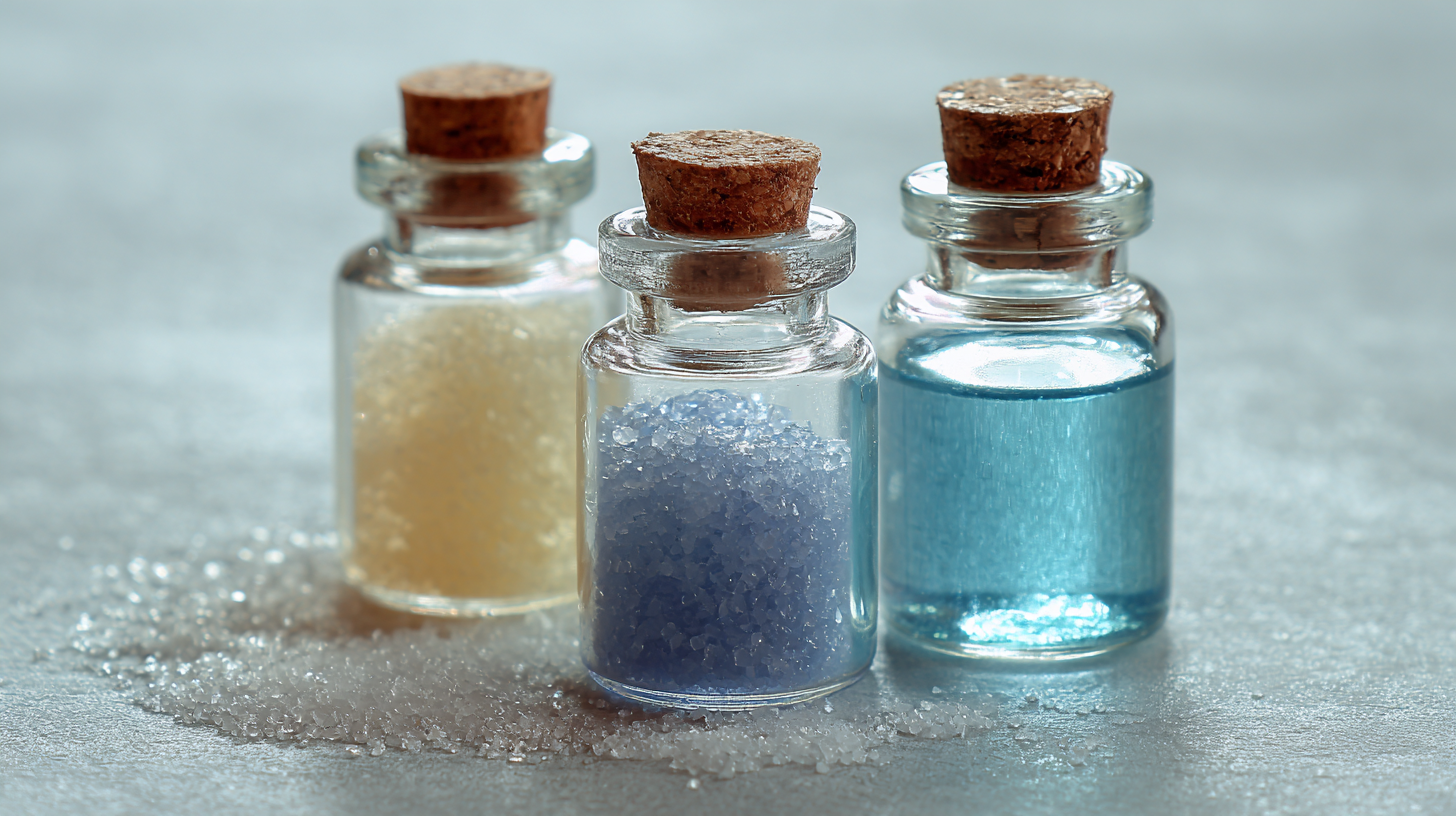
Understanding Cetearyl Alcohol: Benefits and Limitations in Formulations
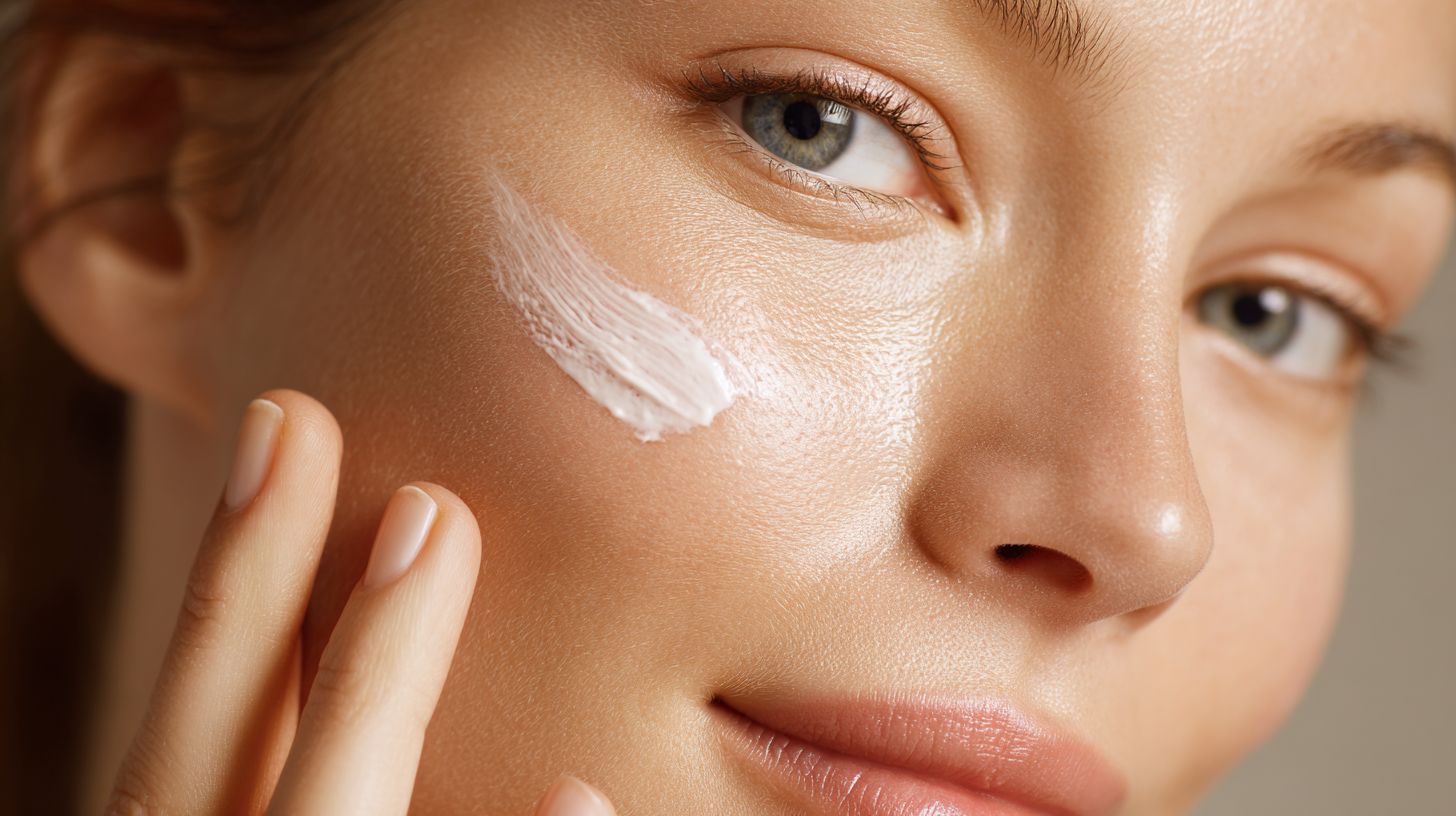 Cetearyl alcohol is pretty common in a lot of skincare products, mainly because it does a great job at making textures feel smooth and provides some much-needed moisture. Basically, it’s a long-chain fatty alcohol that helps stabilize and blend everything together, giving lotions and creams that lovely, luxurious feel you want. Plus, it helps thicken these products, which makes applying them a much nicer experience. People also really appreciate how it conditions the skin—it forms a barrier that keeps moisture locked in and stops water from escaping, keeping your skin more hydrated.
That said, it’s not perfect. Some folks with Sensitive Skin might find that cetearyl alcohol causes irritation or even allergic reactions. And in today’s world, there's a big push for more natural and sustainable ingredients. Because of that, formulators are now on the lookout for alternatives that can deliver the same benefits—like emulsifying and conditioning—without the drawbacks associated with traditional fatty alcohols. Understanding the pros and cons of cetearyl alcohol is super important if you’re into developing safer, more effective skincare products. It’s all about pushing forward and coming up with better options for everyone.
Exploring Natural Alternatives: Plant-Based Emollients for Skin Care
Hey there! So, you know how the beauty and personal care world is really shifting these days? More and more folks are leaning towards natural and plant-based ingredients, especially when it comes to creating emollients. I mean, Cetearyl Alcohol has been a go-to for ages, but now, we're seeing a bunch of plant-based options steal the spotlight because they’re not only effective but also better for the planet. Ingredients like Jojoba Oil, shea butter, and coconut oil are coming up big as moisturizers that also bring some good skin benefits along with them. That makes them fantastic replacements for the usual emollients.
Take jojoba oil, for example—it's pretty incredible because it actually mimics your skin's own sebum. That means it hydrates without clogging pores, and since it’s lightweight, it absorbs easily—so it works well for pretty much any skin type. Then there's shea butter, packed with vitamins and fatty acids that really nourish and shield your skin. Plus, it's anti-inflammatory, so it’s awesome for calming irritated or sensitive skin. The best part? These natural ingredients give formulators the flexibility to create smarter, cleaner products that match what consumers are after these days—more transparency, more sustainability.
As people become more aware of what’s REALLY in their skincare products, the call for brands to be open about ingredients and eco-friendly practices keeps growing. By exploring plant-based emollients, brands can pretty much kill two birds with one stone—staying true to the clean beauty movement and crafting products that are both effective and kind to the environment. It’s an exciting time for skincare lovers who want results without compromise!
Exploring Innovative Alternatives to Emollient Cetearyl Alcohol for Enhanced Formulations
| Emollient | Source | Benefits | Texture | Skin Type Suitability |
| Coconut Oil | Coconut | Deeply moisturizing, anti-inflammatory | Rich and creamy | Dry/Sensitive |
| Shea Butter | Shea Nut | Nourishing, skin barrier protection | Luxurious and buttery | Normal/Dry |
| Jojoba Oil | Jojoba Seed | Mimics skin's natural oils, lightweight | Light and silky | Oily/Combination |
| Olive Oil | Olive Fruit | Antioxidant-rich, deeply hydrating | Greasy if overused | Normal/Dry |
Innovative Synthetic Options: Emerging Ingredients to Replace Cetearyl Alcohol
You know, when it comes to improving formulations in the beauty and personal care world, companies are really starting to look at new synthetic options to replace the usual cetearyl alcohol, which has been a staple for a long time. Recent reports from the Global Cosmetic Ingredients Market are showing a clear trend: people want greener, more sustainable ingredients, and that demand is expected to grow at around 5.4% annually over the next five years. It’s pretty much in line with consumers becoming more aware of environmental issues and leaning towards products that are better for the planet. So, formulators are on the hunt for alternatives that not only do the job but maybe even bring some extra perks along the way.
One ingredient that's been catching some attention is Behentrimonium Methosulfate. It's a gentle surfactant and conditioner made from natural sources. According to the International Journal of Cosmetic Science, it offers fabulous moisturization and conditioning without that heavy, greasy feeling you sometimes get with traditional emollients. Then there's Hydroxypropyl Starch Phosphate, which not only helps keep products stable but also feels nice on the skin — plus, it’s less likely to cause irritation compared to cetearyl alcohol. As the industry keeps experimenting and innovating, these synthetic options are really making a difference, helping brands deliver high performance while keeping things eco-friendly.
Formulation Strategies: How to Integrate Alternative Emollients Effectively
When it comes to developing skincare formulas that are both effective and a little more innovative, it’s pretty clear that exploring options beyond traditional emollients like cetearyl alcohol is a good move. The way you put together your formulation can really make a difference in the final product’s quality and how well it works. For example, by including plant-based oils, synthetic esters, or natural waxes, formulators can craft products that feel rich and moisturizing — all without relying on cetearyl alcohol. Take squalane, for instance — it not only keeps the skin hydrated but also feels super lightweight and non-greasy, which is a huge hit with folks looking for more natural skincare options.
But here’s the thing: when you're trying out these alternative emollients, you gotta be mindful of how they mix with other ingredients. A systematic approach, like testing for stability and performance, can help make sure everything works together smoothly. Sometimes, experimenting with combinations—say, jojoba oil plus shea butter—can really hit that sweet spot between moisturizing and softening the skin. The cool part? Using these fresh formulations and alternative ingredients can really help brands stand out in a crowded market, especially since more consumers are asking for skincare that’s effective and more sustainable.
Evaluating Performance: Key Metrics for Enhancing Product Efficacy
If you're working on developing better formulations, it's really important to evaluate how well alternatives to traditional emollients like cetearyl alcohol actually work. Things like skin hydration, barrier repair, and how the product feels when you use it—these are all key factors you want to look into. For example, measuring skin hydration often involves transepidermal water loss (TEWL) tests, which help you get a sense of how good the new ingredients are at keeping moisture in the skin. It’s pretty much the backbone for understanding how these ingredients influence moisture levels.
On top of that, checking how well these substitutes help repair and protect the skin can be done with both lab tests and real-life studies. And let’s not forget the sensory side of things—things like texture, how easily the product spreads, and how quickly it soaks in—these matter a lot because people tend to pick products they actually enjoy using. If it feels nice and works well, folks are more likely to keep using it. Overall, by paying attention to these factors, formulators can make sure their new options not only do the job but also make the user experience a lot better. It’s all about creating skin care products that are both effective and a joy to use.
Case Studies: Successful Reformulations with Alternative Ingredients
As the cosmetics world keeps changing, there's definitely a growing buzz around finding more innovative alternatives to old-school emollients like cetearyl alcohol. Have you noticed? More brands are experimenting with plant-based ingredients, and it’s kind of exciting! Recent studies show that reformulating products with natural options—think coconut oil or shea butter—not only appeals to folks who want cleaner labels but also actually makes the products work better. Like, they’re seeing improved skin hydration and a stronger barrier, which is pretty cool. And it’s no surprise—about 60% of people now prioritize natural ingredients in their skincare routines.
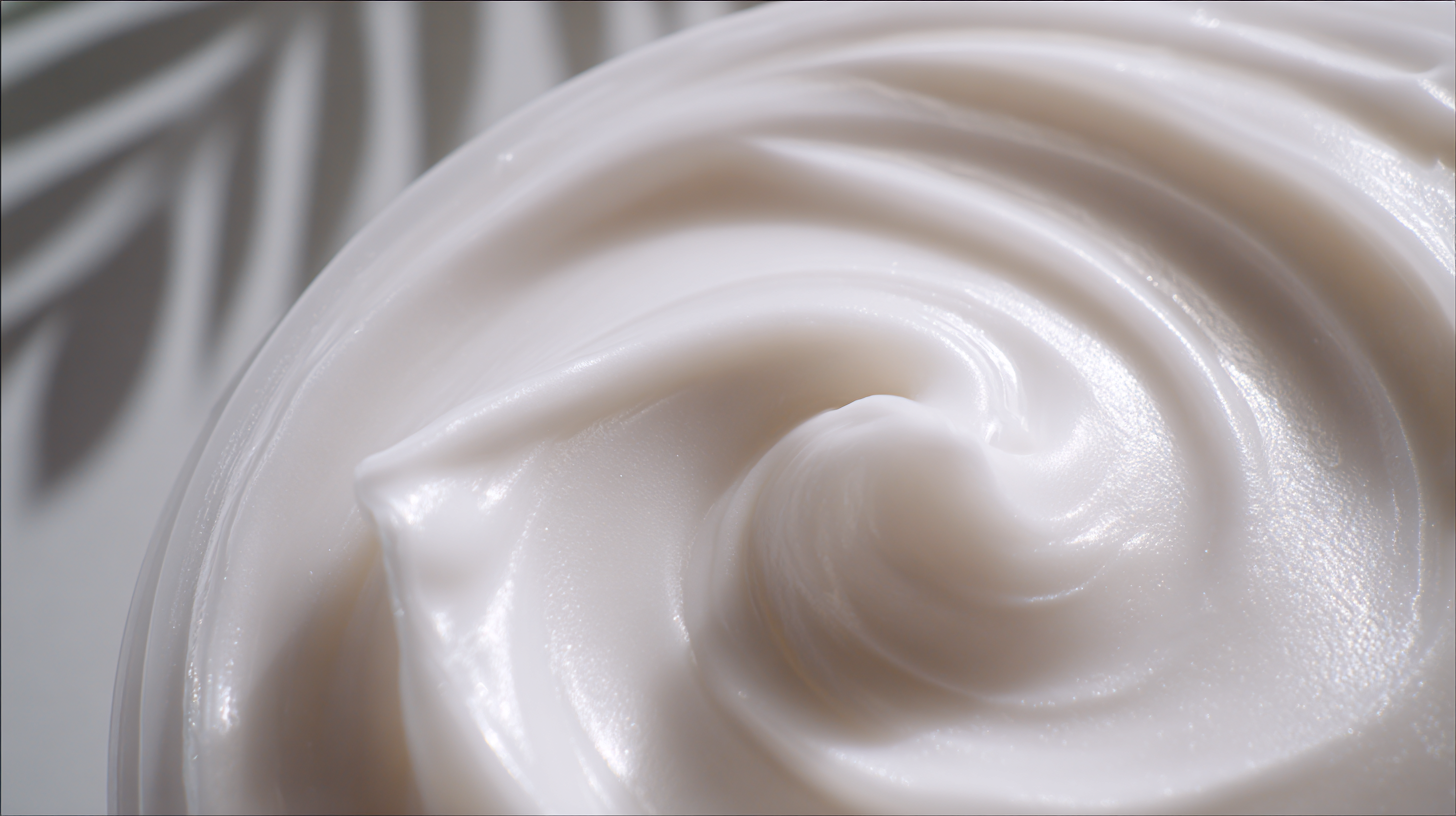
It’s kinda funny how this trend mirrors what’s happening in the food scene, especially with plant-based milks. At first, some brands struggled to hit the nutritional mark, but now, many are fortifying their products with essential vitamins and minerals while keeping things transparent and clean. Turns out, almost 75% of consumers are now paying more attention to ingredient lists and transparency, demanding higher-quality, nutritious options. This really shows how brands in the beauty industry can jump on this bandwagon—get creative, innovate, and, most importantly, really connect with a health-conscious crowd. It’s an exciting time for sure!
The Benefits of High-Purity Cetearyl Alcohol in Cream Formulations: A Comprehensive Guide
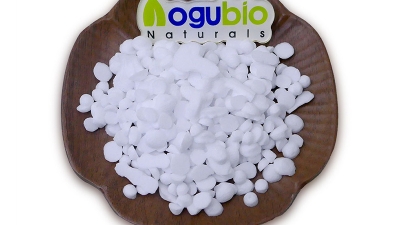
Cetearyl alcohol has gained significant attention in the cosmetic industry due to its remarkable properties as an emulsifier and stabilizer in cream formulations. With a CAS number of 67762-27-0, high-purity Cetearyl alcohol (≥ 95%) provides numerous benefits that enhance both the performance and sensory attributes of creams. Its unique structure, comprised of a blend of fatty alcohols, contributes to a silky texture that improves applicative feel on the skin, making it a preferred ingredient among formulators.
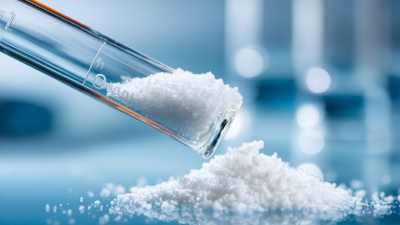
The white flakes or pastilles form of Cetearyl alcohol is essential for creating stable emulsions, allowing water and oil phases to blend seamlessly. It has an ideal pH range of 6.0-7.0, making it suitable for a variety of formulations aimed at different skin types. Notably, while insoluble in water, its compatibility with oils and organic solvents enhances the efficacy of other active ingredients, while providing a luxurious consistency to creams. This makes it a perfect candidate for enhancing hydration and nourishment in skincare products.
Incorporating high-purity Cetearyl alcohol into cream formulations not only ensures product stability but also enriches the overall sensory experience for the user. Its ability to improve texture and provide effective emulsification makes it an indispensable ingredient for formulators looking to create high-quality skincare products.
FAQS
: Some innovative alternatives include Behentrimonium Methosulfate, a mild surfactant and conditioning agent, and Hydroxypropyl Starch Phosphate, which enhances product stability and improves skin feel.
The growing demand is driven by consumers' rising awareness and preference for environmentally friendly products, which is leading formulators to explore sustainable ingredient alternatives.
Behentrimonium Methosulfate provides exceptional moisturization and conditioning without the heavy feel often associated with traditional emollients.
Hydroxypropyl Starch Phosphate is known for enhancing product stability and improving the skin feel while being free from the potential irritation of cetearyl alcohol.
Key performance metrics include skin hydration, barrier repair, and sensory appeal, all of which are essential to assess the efficacy of alternatives.
Skin hydration can be measured through transepidermal water loss (TEWL) tests, which provide insights into the moisture retention capabilities of new emollients.
Barrier repair properties are crucial because they determine how well new alternatives can restore and maintain skin integrity, impacting overall skin health.
Sensory appeal, which includes texture, spreadability, and absorption rate, significantly influences consumer acceptance, making it integral to product development.
By focusing on metrics like sensory appeal, formulators can ensure that new alternatives meet skincare needs while also enhancing the overall user experience.
Conclusion
In the constantly changing world of cosmetics, there's been quite a buzz around finding new alternatives to emollients like cetearyl alcohol. This post is all about exploring its pros and cons—how it adds that nice texture and moisture to skincare products. But, let's be honest, more and more people are looking for natural and eco-friendly ingredients. So, we’re also digging into plant-based options like jojoba oil and shea butter, which do a great job hydrating the skin without the synthetic stuff some might want to avoid.
And it doesn’t stop there. We also look into some of the latest synthetic alternatives that can take the place of cetearyl alcohol without sacrificing how well the product works. Our approach is all about mixing these different emollients the right way, so that the final products are both effective and aligned with what consumers want—natural, sustainable, and high-performing. Through real-world examples and case studies of reformulations, we highlight how these innovative ingredients can help create top-notch skincare that ticks all the boxes—performance, safety, and going green. And of course, Xi'an Aoge Biotech Co., Ltd. is proud to stay on the cutting edge, offering a wide range of natural plant extracts and synthetic ingredients designed for chic, modern skincare needs.